
Annonces
To manage player fatigue in the face of the intense European league calendar in 2026, teams use multidisciplinary strategies including squad rotation, sports science, nutrition and mental wellbeing in order to optimize performance and prevent injury.
Modern soccer is synonymous with intensity, and the intense European league calendar in 2026 only accentuates that reality. With domestic and continental competitions following one another at a relentless pace, the question of managing player fatigue is more crucial than ever. How are elite clubs preparing for this enormous challenge? What strategies are being implemented to preserve their athletes’ physical and mental integrity? Let’s dive into the solutions adopted by the giants of European soccer.
The Calendar’s Impact on Player Performance
Soccer is evolving, and with it the physical demands placed on players. An overloaded calendar, including domestic leagues, domestic cups, European competitions and international matches, puts athletes’ bodies under severe strain. This accumulation of matches, often only a few days apart, leaves little time for optimal recovery, increasing the risk of injury and a drop in performance. Understanding this impact is the first step toward addressing it effectively.
Annonces
Scientific studies show a direct correlation between the number of matches played and the prevalence of muscle injuries. Neuromuscular fatigue sets in, reducing players’ capacity to perform high-intensity actions and increasing their vulnerability. Mental pressure adds to this, turning these intense periods into genuine psychological challenges for squads.
Heightened Physical Risks
Playing match after match without sufficient recovery exposes players to several physical dangers. These risks are not only immediate; they can also have long-term consequences for their careers.
- Muscle injuries: The hamstrings, adductors and calves are particularly stressed, and fatigue increases the likelihood of tears or strains.
- Chronic fatigue: Insufficient recovery can lead to a persistent state of fatigue, affecting not only physical performance but also concentration and decision-making.
- Reduced immunity: Intense physical stress can weaken the immune system, making players more susceptible to infection and illness.
In conclusion, it is clear that the intense calendar represents a tangible threat to players’ health and performance. Clubs must therefore adopt proactive, sophisticated strategies to mitigate these risks and ensure their athletes’ longevity.
Annonces
Squad Rotation and Minutes Management
Faced with the intensity of the calendar, squad rotation has become a cornerstone of modern team management. Coaches can no longer afford to field the same eleven starters match after match. Meticulous planning is essential to distribute playing time fairly and intelligently, preserving the physical and mental freshness of key players.
This approach is not limited to simply changing a few players. It involves an in-depth understanding of each athlete’s individual needs, his injury history, his position on the pitch and the importance of upcoming matches. Minutes management is a science in its own right, aimed at maximizing collective performance while minimizing risk for each individual.
Planning and Advanced Data Analysis
Coaching staffs use sophisticated tools to optimize rotation. These tools integrate performance and recovery data to support informed decisions.
- GPS systems and sensors: Collecting data on distance covered, speed, accelerations and decelerations to assess each player’s physical load.
- Heart rate variability (HRV) analysis: A key indicator of the autonomic nervous system’s recovery state, allowing training to be adjusted.
- Predictive modeling: Using algorithms to anticipate injury risk and plan periods of rest or reduced activity.
Rotation is not only a matter of rest, but also of tactical adaptation. It allows coaches to experiment with different team configurations and give young talents experience, ensuring the squad’s depth and competitiveness over the long term. Good minutes management is therefore a delicate balance between immediate performance and the team’s durability.
The Importance of Sports Science and Recovery
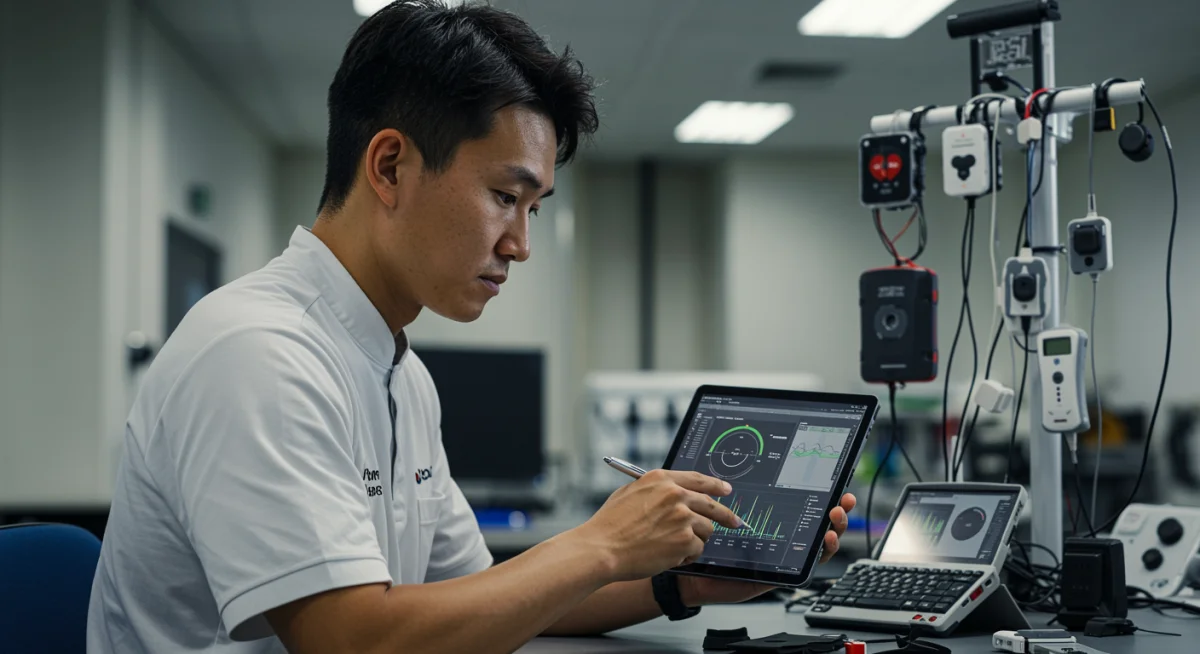
Sports science has revolutionized the way teams approach physical preparation and recovery. Far from the trial-and-error methods of the past, clubs now rely on teams of experts – physiologists, nutritionists, sports psychologists – to optimize every aspect of athletes’ lives. Recovery is no longer a simple period of rest, but an active, scientifically supervised process.
These professionals work closely with the coaching staff to design individualized programs. These programs cover everything from training to nutrition, by way of sleep and recovery therapies. The aim is to ensure that every player is in the best possible condition to face the calendar’s challenges, match after match.
Advanced Recovery Techniques
Leading clubs invest heavily in cutting-edge recovery technologies and methods to speed up the process of muscular and mental regeneration.
- Cold baths and cryotherapy: Reducing inflammation and speeding up muscle recovery after intense effort.
- Compression therapy: Improving blood circulation and lymphatic drainage to eliminate toxins.
- Optimized sleep: Monitoring players’ sleep and advising on how to improve its quality and quantity, essential for hormonal and cognitive recovery.
- Personalized nutrition and hydration: Nutrition plans tailored to each player, including targeted supplements for energy and muscle recovery.
In short, sports science offers a holistic approach to performance and recovery. It allows teams to minimize the negative impact of an intense calendar by turning recovery into a competitive advantage, ensuring players are ready to perform at the highest level consistently.
The Crucial Role of Nutrition and Hydration
Nutrition and hydration are often underestimated, but they are fundamental pillars of player fatigue management. A well-nourished, well-hydrated body is a more resilient body, better able to recover and maintain performance over time. Professional clubs have dedicated teams of nutritionists who build bespoke nutrition plans for each athlete.
These plans are not limited to main meals; they also cover snacks before, during and after training and matches, as well as specific hydration strategies. The aim is to provide the macronutrients (carbohydrates, protein, fats) and micronutrients (vitamins, minerals) needed to sustain intense effort and support the regeneration of muscle tissue.
Nutrition Adapted to Different Phases
Sports nutrition is a precise discipline that adjusts nutritional intake according to the phase of the calendar and individual needs.
- Before the match: A high intake of complex carbohydrates to maximize glycogen stores, the main source of energy.
- During the match: Isotonic drinks and energy gels to maintain hydration and carbohydrate intake, preventing a drop in energy.
- After the match: A crucial recovery window with a rapid intake of protein for muscle repair and carbohydrates to replenish stores.
Hydration is just as vital. Dehydration, even mild, can cause a significant drop in physical and cognitive performance. Players are constantly encouraged to drink water and electrolyte drinks, and their hydration status is often monitored. Ultimately, optimal nutrition and hydration are indispensable allies in combating fatigue and maintaining physical condition throughout a demanding season.
Psychological Support and Mental Wellbeing
Beyond the physical aspects, the mental dimension of fatigue is just as relevant. Performance-related stress, pressure for results, frequent travel and time away from family can have a considerable impact on players’ psychological wellbeing. Modern clubs increasingly recognize the importance of psychological support in helping their athletes manage these challenges.
Sports psychologists are integrated into coaching staffs, offering individual support and group workshops. Their role is to help players develop stress management strategies, strengthen their mental resilience and maintain a balance between their professional and personal lives. A healthy mind in a healthy body is more relevant than ever.
Stress Management and Relaxation Techniques
Psychological support is not limited to individual therapy; it also includes teaching practical techniques players can use day to day.
- Meditation and mindfulness: Help improve concentration and reduce anxiety.
- Visualization techniques: Mental preparation for matches and managing pressure.
- Group activities and team cohesion: Strengthening social bonds and creating an environment of mutual support.
Mental wellbeing is directly linked to performance on the pitch. A calm, balanced player is better able to make the right decisions under pressure, recover more effectively and avoid burnout. Investing in psychological support is therefore an investment in the team’s overall performance and in athletes’ long-term health.
Technological Innovations in the Service of Performance
Soccer is a sport that increasingly embraces technology. To manage the intense calendar and player fatigue, clubs rely on cutting-edge innovations. These technologies allow more precise monitoring, finer data analysis and more targeted interventions, transforming the way teams approach preparation and recovery.
From tracking systems to wellbeing apps, every tool is designed to provide valuable information to coaches and medical staff. The aim is to create a data ecosystem that supports informed, proactive decision-making, reducing injury risk and optimizing each player’s potential. Data is becoming the new language of sporting performance.
Examples of Technologies in Use
The technological arsenal available to clubs is vast and constantly evolving. Here are some notable examples.
- Data analysis platforms: Centralize all information (physical, medical, psychological) for an overview of each player’s condition.
- Sleep tracking apps: Offer insights into sleep quality and quantity, with personalized recommendations.
- Wearables: Measure parameters such as heart rate, body temperature and muscle electrical activity in real time.
- Virtual and augmented reality: Used for post-injury rehabilitation and cognitive training, without physical impact.
These innovations do not replace human expertise but complement it, offering powerful tools for more effective management of workload and recovery. In 2026, technology will more than ever be a differentiating factor for teams seeking to dominate the European leagues and protect their most precious assets: their players.
Multidisciplinary Collaboration at the Heart of Success
Managing the intense European league calendar in 2026 cannot be the preserve of a single person or department. It demands a holistic approach and flawless collaboration between everyone at the club. Coaches, fitness trainers, doctors, physiotherapists, nutritionists, psychologists and data analysts must work in synergy to guarantee players’ wellbeing and performance.
This collaboration takes the form of regular meetings, constant information sharing and collective decision-making. Each specialist brings their expertise to build a complete picture of every player’s condition, making it possible to adjust training plans, recovery strategies and medical or psychological interventions in a coordinated way. It is this smooth communication that turns a group of individuals into a well-oiled machine.
Examples of Effective Collaboration
A team’s success depends on the ability of its various departments to function as a single organism.
- Performance meetings: Bring together all the experts to analyze player data and make decisions about training load and rotation.
- Return-to-play protocols: Developed jointly by doctors, physiotherapists and fitness trainers to ensure a safe return after injury.
- Coach-player communication: Players’ feedback on their physical and mental condition is essential and is built into the overall plans by the coaching staff.
Ultimately, multidisciplinary collaboration is the glue that binds all fatigue management strategies together. It ensures that players receive the most complete support, tailored to their needs, allowing them to navigate the exhausting demands of modern elite soccer successfully. Without this synergy, even the best resources and technologies would be underused, or even ineffective.
| Key Aspect | Brief Description |
|---|---|
| Squad Rotation | Strategic planning of playing time to prevent overload and injury, essential for an intense calendar. |
| Sports Science | Using advanced data and technology to optimize physical preparation and recovery protocols. |
| Nutrition & Hydration | Personalized plans to support energy and muscle recovery and prevent player dehydration. |
| Psychological Support | Mental support to manage stress and pressure and maintain athletes’ psychological balance. |
Frequently Asked Questions About Managing Player Fatigue
Player fatigue is a growing problem in 2026 because of the increased number of matches in domestic and European competitions, as well as international calendars. This physical and mental overload reduces recovery periods, increasing the risk of injury and a drop in performance.
Clubs use various methods: squad rotation, optimized recovery strategies (cryotherapy, cold baths), personalized nutrition and hydration plans, and psychological support. The use of sports science and monitoring technology is also fundamental for targeted interventions.
Technology, through GPS systems, sensors and data analysis platforms, makes it possible to monitor players’ physical load in real time. It helps identify signs of fatigue, predict injury risk and adjust training and rest periods scientifically and proactively.
Yes, psychological support is very effective. Match pressure, travel and expectations can generate significant stress. Sports psychologists help players manage this pressure, improve their mental resilience and maintain a good balance, which contributes directly to their performance and physical recovery.
Nutrition is crucial to recovery. After a match, a rapid intake of protein supports muscle repair, while carbohydrates replenish depleted energy stores. Adequate hydration with electrolytes prevents dehydration and supports proper cellular function, speeding up the regeneration process.
Conclusion
The intense European league calendar in 2026 represents a complex, multi-faceted challenge for soccer teams. Managing player fatigue is no longer a simple question of rest, but an integrated science combining squad rotation, advanced recovery strategies, personalized nutrition and hydration, robust psychological support and the use of the latest technological innovations. Multidisciplinary collaboration between all members of staff is the keystone of this approach, ensuring that every athlete is not only able to perform at the highest level but also to maintain their health and career longevity. The clubs that master these aspects will be the ones that successfully navigate the turbulent waters of modern soccer, turning the calendar’s constraints into opportunities for sustainable performance.