
Annonces
counter-pressing triggers used by MLS playoff contenders are simple, repeatable cues—poor first touch, backward pass, or pressured goalkeeper distribution—that prompt immediate collective pressure, enabling rapid ball recovery, higher-quality chances, and strategic match control when rehearsed with drills, video, and data.
counter-pressing triggers used by MLS playoff contenders often tip the balance in tight postseason clashes. Ever watched a small mistake cascade into a goal? This piece points out the cues and coaching steps you can spot next time.
how MLS contenders create counter-pressing triggers
counter-pressing triggers used by MLS playoff contenders are simple cues that tell a team to attack the ball immediately after a turnover. Spotting these cues helps teams win the ball back fast and create scoring chances.
These triggers can be a bad first touch, a backward pass, or a goalkeeper under pressure. Players train to see and react to them in seconds.
Annonces
common in-game triggers
Teams look for obvious errors or risky actions. A single mistake can spark a coordinated press.
- poor first touch by an opponent, leaving the ball loose near midfield or the final third
- backward pass toward the defense that slows play and allows forwards to close down quickly
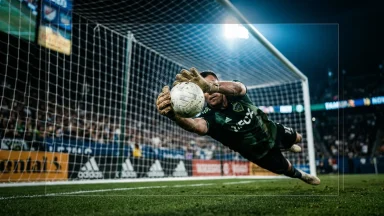
- goalkeeper distribution under pressure, especially short passes from the keeper to a defender
- set-piece clearance that lands in contested space rather than a safe outlet
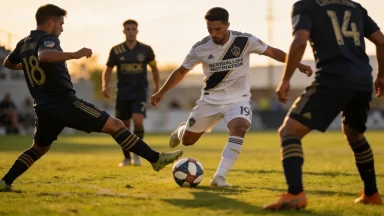
When a trigger appears, nearby players sprint to the ball and cut passing lanes. Quick pressure buys time for teammates to cover spaces and for coaches to exploit the chaos.
roles and positioning to exploit triggers
Each position has a clear task after a trigger: forwards close passing lanes, midfielders block channels, and fullbacks push up to trap the ball carrier.
Annonces
- forwards press the nearest defender and aim to force a long or risky pass
- midfielders mark immediate outlets and anticipate second balls
- fullbacks and center-backs step to support the press without leaving gaps behind
Clear roles reduce hesitation. When players know their job, reactions are faster and the team recovers possession more often.
Coaches practice small-sided patterns that recreate triggers. Reps focus on speed, communication, and the first touch. Video review helps players recognize cues in real games.
Teams also use data to refine triggers. Simple metrics like turnovers in the final third or PPDA around the opponent box help staff choose which cues to train.
counter-pressing triggers used by MLS playoff contenders are not fancy tactics. They are repeated actions, practiced until instant. Teams that spot and act on these triggers force turnovers, create high-quality chances, and change the tone of playoff matches.
key positions and moments that spark immediate pressure
counter-pressing triggers used by MLS playoff contenders show which players must act first the moment the ball is lost. Spotting these positions and moments turns small errors into fast chances.
Knowing who presses and when speeds recovery and keeps pressure on opponents in key zones.
positions that commonly ignite the press
Certain roles are primed to trigger an immediate press because of their proximity to the ball and angle of attack.
- forwards close the nearest defender to force hurried passes or bad touches
- attacking midfielders cut short passing lanes to the center and chase second balls
- fullbacks step up to compress space when the opponent moves wide
- center defensive midfielders anticipate clearances and push to trap the ball in midfield
These positions act in a planned sequence. The first player challenges. Nearby teammates shift to cover exits. That chain makes the press effective without leaving big gaps.
key match moments that spark immediate pressure
Not every turnover triggers a full press. Teams watch for specific moments that raise the reward for acting fast.
- poor first touch by an opponent near midfield or the final third
- back pass to the defense that slows momentum and invites pressure
- goalkeeper distribution under pressure when the keeper plays short from the back
- loose set-piece clearances that land in contested space
When these moments happen, players have a clear green light to sprint and engage. The aim is to win the ball in the dangerous zone or create immediate turnover opportunities.
Timing is tight. Actions must be taken in one to three seconds. That brief window separates a successful counter-press from a costly gap in shape.
how spacing and support shape the response
Good spacing ensures the press is narrow and quick. Teammates must cover passing lanes and offer support angles.
- close gaps between lines to deny safe outlets
- provide cover behind the first presser to prevent long breaks
- use staggered steps so multiple players can engage without colliding
Coaches drill these patterns so players read the same cues. Video sessions highlight who must move first and where help should arrive.
In practice, a forward’s first sprint, a midfielder’s angled run, and a fullback’s step up are small acts that sync into one big moment. Teams that repeat these patterns make the press predictable to themselves and dangerous to opponents.
counter-pressing triggers used by MLS playoff contenders are simple ideas practiced until reactions are instant. When positions and moments align, teams recover the ball more often and create quick scoring chances.
metrics and video signs scouts use to identify triggers
counter-pressing triggers used by MLS playoff contenders can be spotted with numbers and by watching clips. Scouts use simple metrics and clear video signs to find repeatable moments.
These signals help teams know when to press and which patterns to train.
data metrics scouts track
Numbers show where triggers happen most and how often they lead to chances.
- turnovers in the final third: how many times the opponent loses the ball high up
- regain time: average seconds to win the ball after a turnover
- PPDA (passes allowed per defensive action) in specific zones to measure press intensity
- successful high-press recoveries per 90 minutes that produce shots or key passes
These metrics flag hot zones and moments. Scouts set thresholds to mark actions worth clipping for coaches.
video signs to watch for
On video, small visual cues often match the data. Scouts look for body shape, first touch, and support angles.
- poor first touch that leaves the ball exposed
- body orientation of the ball carrier facing away from play or toward the sideline
- nearby teammates with their backs turned or out of support range
- goalkeeper under pressure choosing a short pass instead of a safe clearance
Clips tagged with these signs help players learn what to react to. Video slows down the moment so coaches can show exact footwork and timing.
Scouts also mark sequences that fail to trigger a press. These negative examples teach when to stay structured rather than chase the ball.
how data and video combine in scouting workflows
Analysts cross-check clips with numbers to build patterns. A metric points to a cluster; video proves the cue and context.
- tag and group clips by metric thresholds and match minute
- create short playlists that show the same trigger from different angles
- note outcomes: shot, corner, or opponent escape to refine the trigger value
Working this way helps coaches pick a few reliable counter-pressing triggers used by MLS playoff contenders and turn them into training drills.
Tools like tagging platforms, heat maps, and frame-by-frame replay let scouts present clear, repeatable examples. When data and video agree, coaches can teach triggers with confidence.
When scouts use both metrics and video signs, teams can find the small, repeatable moments that make a press effective and train players to react the same way in games.
drills and match adjustments to exploit opponent mistakes
counter-pressing triggers used by MLS playoff contenders are practiced with specific drills so reactions become automatic. Coaches turn match moments into repeatable training patterns that players can read under pressure.
These drills focus on speed, angle of approach, and clear support roles to exploit opponent mistakes quickly.
small-sided transition drills
Use tight grids to force quick turnovers and immediate pressure. Small numbers make triggers obvious and habits form faster.
- 5v5 or 6v4 with neutral players to simulate overloads after a turnover
- start each round with a ‘bad touch’ rule that rewards immediate pressing
- limit touches to open up passing lanes and punish slow first touches
Repeat short rounds with quick resets. Emphasize the first three seconds after the ball is lost.
pattern drills with role clarity
Design drills that assign clear tasks: first presser, channel closer, cover defender. Players must know which cue gives them the green light.
- drill the forward’s angled sprint to cut the nearest pass
- train midfielders to step to expected outlets
- practice defenders providing cover for recovery and second balls
Make the sequence predictable for your squad so reactions are fast and coordinated in real matches.
Alternate continuous play sessions where triggers appear randomly. Let players experience real-feel chaos and reward the teams that recover possession within seconds.
match adjustments coaches use
In games, coaches pick a few reliable triggers and simplify instructions. Clear messaging reduces hesitation and risk.
- focus pressing on specific zones or minutes when opponents are weaker
- use substitutions to add energy for high-intensity presses late in halves
- adjust line height to give forwards the angle to press without exposing big gaps
Coaches also change triggers based on opponent tendencies. If a team uses short goalkeeper distribution, press the keeper; if they play long, focus on second-ball runs.
Video feedback between halves helps. Show quick clips of missed triggers and correct reactions so players can reset mentally and physically.
Drills plus smart match tweaks let teams exploit mistakes more often. When players rehearse the same counter-pressing triggers used by MLS playoff contenders, the team reacts faster and turns small errors into real chances.
counter-pressing triggers used by MLS playoff contenders are simple, practiced cues that let teams win the ball back fast. Train the roles, rehearse drills, and use video plus data to make reactions instant and create more chances.
FAQ – counter-pressing triggers used by MLS playoff contenders
What is a counter-pressing trigger?
A simple cue—like a poor first touch or backward pass—that tells nearby players to press immediately and try to win the ball back.
Which positions usually act on triggers?
Forwards and attacking midfielders often start the press, while fullbacks and defensive midfielders provide cover and support.
How do coaches train these triggers?
They use small-sided transition drills, role-specific patterns, and short, repeated reps to make reactions automatic.
What data or video signs reveal reliable triggers?
Scouts track turnovers in dangerous zones, regain time, PPDA, and clip moments showing poor touches, body shape, or risky goalkeeper distribution.