Annonces
A prospect for US college soccer spring 2026 should prepare a 3–6 minute video, verifiable statistics and a complete academic file, respect the NCAA/NAIA contact windows, and reach out to coaches with personalised emails and targeted follow-ups to maximise their chances.
Prospect US college soccer spring 2026 puts you in front of choices, deadlines and recruiters’ expectations — feeling a little lost already? Here are concrete tips, examples of successful profiles and the common mistakes, so you know where to act.
Understanding the NCAA and NAIA recruiting process
Prospect US college soccer spring 2026: knowing the recruiting process helps you plan and act at the right moment. This section clarifies the key steps to follow.
You will see who recruits, which rules matter and how to prepare your file to catch a coach’s attention.
Annonces
Who recruits and why
Universities look for players who combine a good playing level with academic solidity. Coaches want reliable, motivated profiles who can adapt to their team.
Differences between the NCAA and the NAIA
The NCAA has three divisions with strict eligibility rules and precise contact windows. The NAIA sometimes offers more flexibility and opportunities for less visible players.
- Eligibility: check the academic requirements and the tests needed before sending applications.
- Scholarships: Divisions I and II offer more athletic scholarships than Division III or some NAIA schools.
- Contact windows: respect the permitted periods for contacting coaches and sharing videos.
- Visits: distinguish official from unofficial visits and plan them around the calendar.
Think about the calendar: in the spring, recruiters are often finalising their lists for the following year. Send your video and your stats early enough and follow up politely after a week or two.
Annonces
Prepare a clear profile with a 3–6 minute highlight video, recent stat sheets and school transcripts. Mention that you are a prospect for US college soccer spring 2026 in your first messages if it helps place your availability.
Contact coaches with a personalised email: state your position, your strengths, your calendar and a link to a video. Keep it brief, professional, and be available for a video call or a trial.
Understand the role of the NCAA eligibility center: create your profile early to avoid administrative delays that would block your enrolment.
Finally, keep a plan B: apply to several programmes and prepare academically. Flexibility improves your chances of being recruited.
In summary, anticipate the NCAA and NAIA rules, polish your file, respect the contact windows and progress through clear stages.
Preparing your profile: video, statistics and academic file
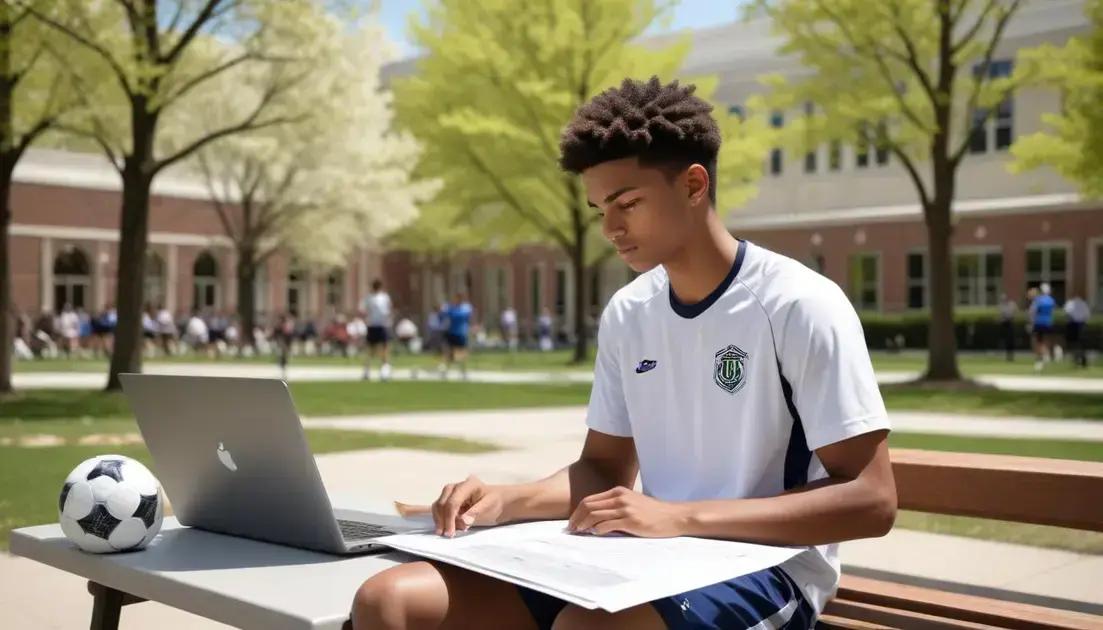
Prospect US college soccer spring 2026: prepare a clear, professional profile to catch recruiters’ attention. A good file combines sharp video, precise stats and academic evidence.
Each element has to be short, easy to consult and quick to show your strengths.
Video — show your qualities in 3–6 minutes
Choose recent, varied clips: attacking moments, defensive work and phases of play. Quality matters more than quantity.
- A 3 to 6 minute edit with your best moments.
- A clear plan: a quick introduction, sequences by type of play, a closing screen with your contact details.
- High-resolution clips and steady angles, no music or text that gets in the way.
- Include a short version (60–90 seconds) for first contacts.
Use a still frame at the start with your name, position and graduation year. Add timestamps for each key moment. Send a hosted link (an unlisted YouTube video or a cloud link) rather than heavy attachments.
Statistics — what coaches want to see
Present clear, verifiable numbers. Coaches value the metrics that relate to your position and to the level of competition.
- Minutes played, goals, assists, tackles and interceptions depending on your role.
- For forwards: conversion rate, shots on target; for defenders: duels won, clearances.
- State the level of the league and the number of matches in the season.
Add a simple table as a PDF or CSV and a short note explaining the context (injuries, changes of position). Avoid long lists: put the essentials first.
The statistics should back up the video. If a number stands out, show the corresponding play in the edit.
Academic file — reliability and admissibility
Universities check the grades and the courses taken. A strong academic file can make the difference, especially for the NCAA.
- The most recent official transcripts and the grade point average.
- The list of “core” courses and the corresponding grades.
- Any test results (SAT/ACT) or equivalents, depending on the requirements.
Prepare a single document gathering the transcripts, the certificates and your school counsellor’s contact details. If necessary, translate or explain foreign grading systems.
Put everything together in a clear digital folder: a short cover letter, the video link, the stat sheet and the academic transcripts. Name the files clearly to make them easy to read.
In summary, to be an effective prospect for US college soccer spring 2026: a polished video, relevant statistics and a complete academic file improve your chances. Be concise, verifiable and professional in everything you send.
Calendar and key stages for spring 2026
Prospect US college soccer spring 2026: follow a clear plan so you miss nothing during the recruiting period. Here are the practical steps month by month.
Each action should be simple, chronological and repeated if necessary to stay visible to the coaches.
January to March — preparation and first contact
Use the winter to finalise your video and gather your transcripts. Target a short list of schools and prepare personalised emails.
- Cut a 3–6 minute highlight and a short 60–90 second version.
- Create a digital folder with your statistics and school transcripts.
- Check the eligibility rules for the NCAA or the NAIA.
Send a polite, professional first message. Include a link to the video and your contact details. Be clear about your graduation year and your availability for visits or trials.
April to May — follow-up and trials
After the first contact, follow up with the coaches in a targeted way. Offer windows for trials or video calls.
If you play in the spring, use those matches to update your video and your stats. Share the new performances quickly.
- Follow up 7–14 days after the first contact if there is no reply.
- Schedule at least one trial session or video call if possible.
- Update your file after every key match.
Respect the official contact windows and note them in a shared calendar. Good organisation shows you are serious and makes the coach’s decision easier.
June to August — visits and decisions
Offers and visits pick up over the summer. Plan your travel around your academic and sporting priorities.
Ask for information about scholarships, the academic programme and campus life before any official visit.
- Arrange unofficial or official visits as circumstances allow.
- Compare the sporting and academic offers objectively.
- Confirm your choices before the enrolment deadlines.
Keep copies of all the communications and decisions. If an offer arrives, check the written conditions and the deadline to reply.
By following this simple, responsive calendar, a prospect for US college soccer spring 2026 maximises their chances: preparation in winter, follow-up in spring and decisions in summer.
How to contact coaches and maximise your chances
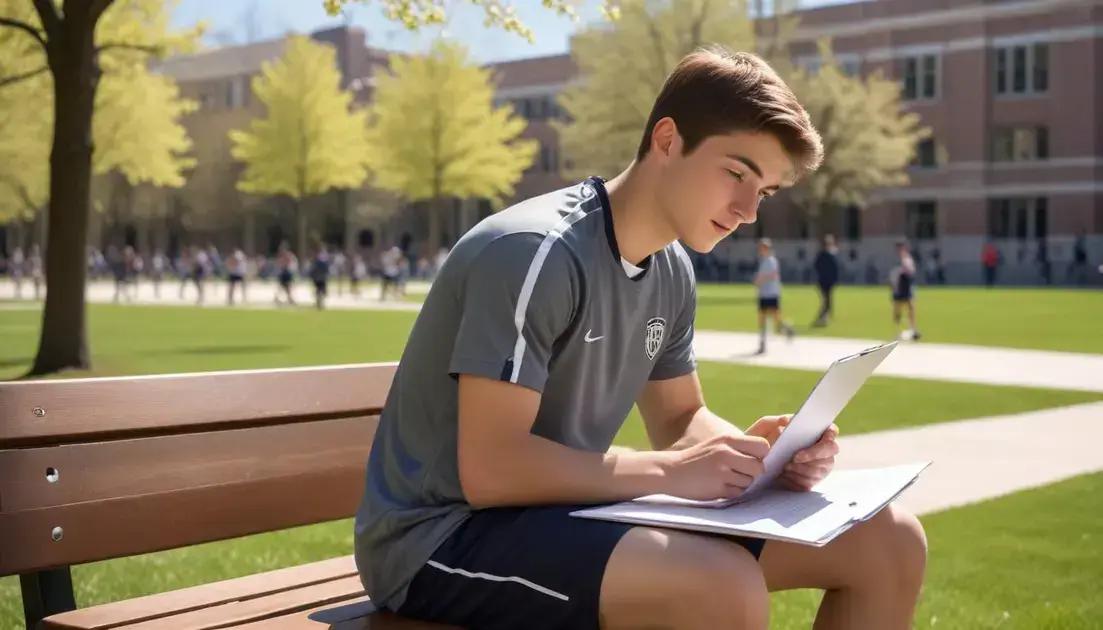
Prospect US college soccer spring 2026: contact the coaches methodically to stand out. Prepare short, personalised messages.
This section sets out what to say, when to follow up and how to behave at a trial.
The first email: an effective structure
Start with a short sentence stating who you are and your graduation year. Add a link to your highlight video and your stats.
- A clear subject line: position, year and the word “prospect”.
- One line about you: position, current club and strengths.
- A link to the video and the stat sheet; attach the transcript if relevant.
- A closing sentence with your availability and a thank-you.
Personalise the email by mentioning the team or the coach by name. Avoid copy-paste messages; one specific detail shows you have done your research.
Follow-ups and timing
Wait 7–14 days before a short follow-up. Stay polite and bring something new (a recent performance or an updated video).
- A short follow-up: a reminder of the link and your availability for a trial.
- A second follow-up if there is no reply, then stop so as not to spam.
- Record every contact in a simple table.
Respect the NCAA or NAIA contact windows. Writing too early or outside the permitted periods can hurt your case.
Also use the recruiting platforms if they are relevant, but do not neglect direct contact by email.
Direct contact: calls, video calls and trials
Offer slots for a call or a video conference and always confirm by email. If you are invited to a trial, arrive prepared and on time.
- Bring a copy of your file, clean boots and appropriate kit.
- Show professionalism: greet people, listen and follow the instructions.
- Take notes and send a thank-you message after the trial.
Be ready to answer questions about your academic and sporting goals. Coaches assess your mentality as much as your technical qualities.
Keep a consistent presence online: clean public profiles, accessible videos and up-to-date information. Avoid inappropriate content.
By staying organised, professional and persistent, a prospect for US college soccer spring 2026 considerably improves their chances of being noticed and invited to trials.
In summary, a prospect for US college soccer spring 2026 needs a clear video, verifiable statistics and a complete academic file. Organise your calendar, contact coaches with personalised messages and stay professional to maximise your chances.
FAQ – prospect US college soccer spring 2026
What are the eligibility criteria for the NCAA and the NAIA?
Check your GPA, your “core” courses and your registration with the eligibility center (NCAA). The NAIA has similar academic requirements, sometimes more flexible.
How do you make an effective recruiting video?
Cut a 3–6 minute edit with your best moments, a short 60–90 second version, open with your name/position/year and share an unlisted link.
When and how should you contact coaches?
Prepare and send your first messages in Jan–Mar, follow up 7–14 days later, personalise every email and respect the official contact windows.
What should my academic and administrative file contain?
Include official transcripts, the list of “core” courses, test results if required and your school counsellor’s contact details; translate them if necessary.